No audio available for this content.

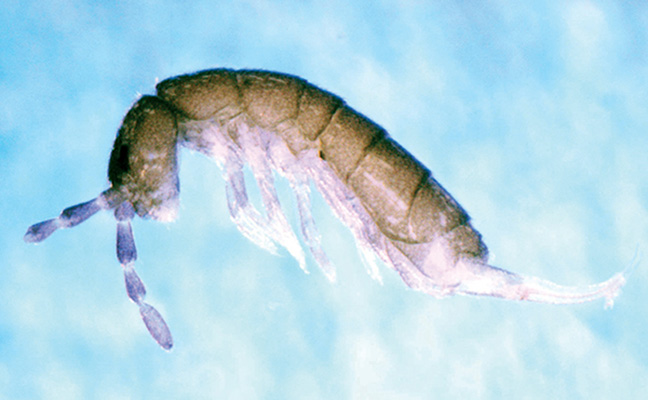
We’ve all gotten the call for “tiny little jumping bugs that don’t bite.” What are they? Most often these mysterious bugs are identified as springtails (Order Collembola). While homeowners often describe them as a plague, in reality they are beneficial insects — that is, when they stay outdoors, where they belong.
In their natural habitat, springtails typically feed on fungi, plant material or algae. One common source is a sprinkler head installed improperly, pointing directly at the structure rather than the turf. This leads to high moisture levels and in turn, can cause a springtail infestation. If you suspect them indoors, look for such damp environments as leaks or pinholes in plumbing, roof leaks, humidifiers, mulch or organic material piled up next to the structure, or decaying produce.
Generally, once the moisture levels are brought under control or remediated, the insects will desiccate and die or relocate themselves. I recommend aerosols or dry foam applications in the areas where springtails are active, so you don’t introduce more moisture into the environment.