
No audio available for this content.

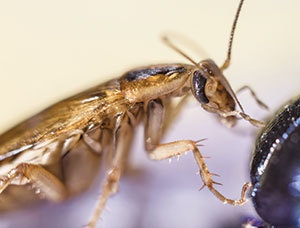
The German cockroach (Blattella germanica) is potentially evolving to have a glucose-free diet, according to new research from North Carolina State University (NCSU).
Per the study, some lab cockroaches are evolving to dislike sugar, specifically glucose. This could have huge implications for the population of cockroaches worldwide, especially since they spread bacteria and disease.
Scientists at the university study roach reproductive habits and evolutionary adaptations. Dr. Ayako Wada-Katsumata and a team of entomology research found evidence of significant changes involving sugar-averse German cockroaches and mating habits.
According to Dr. Coby Schal, professor of urban entomology, insect behavior, chemical ecology, insect physiology and head of the eponymous Schal Lab at NCSU, the team’s new research shows that cockroaches have begun to deviate significantly compared to previously observed cockroach-mating behavior.
Female lab cockroaches observed in the study included a significant population that were glucose-averse. Researchers found these cockroaches were unwilling to complete traditional mating behavior, accepting what the research study refers to as “nuptial gifts” or “nuptial feedings.” These glucose-adverse female cockroaches also chose not to complete the mating process, meaning there wouldn’t be any reproduction.
This does not mean there will be a drop in the cockroach population, the study points out, as the male cockroaches eventually found another way to reproduce.
Cockroach mating lasts for up to 90 minutes. Male cockroaches adapted to female cockroach glucose hesitancy by shortening their mating rituals down to minutes or even seconds, while successfully completing fertilization.

The studies showed the most successful mating pairs were males and females who were both glucose-averse. The least successful mating pairs were females who were glucose-averse with wild-type or glucose-loving males. While there were short-term population dips among glucose-averse females and wild-type males mating pairs, there were other, more successful matches, including male and female cockroaches that were both glucose-averse.
Overall, the entire cockroach population within the lab study stayed within normal predicted ranges, despite this population of sugar-eschewing insects.
According to Dr. Schal, researchers are wondering whether new behavioral traits like this could spread through different populations, making this mutation more prevalent.
“One of the takeaways is that animals, including roaches, have adaptations that they evolve in terms of natural selection,” Dr. Schal said in the study. “The German cockroach, a pernicious household pest, plays an important etiological role in allergic disease and asthma. It also serves as a mechanical vector of pathogens, including antibiotic-resistant microbes.”
Among urban cockroaches, it is currently unclear what the ratio is of glucose-averse to glucose-loving specimens. If it is found to be common and/or on the rise, however, it could potentially affect current cockroach treatment strategies. More research is ongoing to determine this.

Tim Green
I’m sorry….but with respect I think this research needs more research.
Heather Gooch
Tim, you’re absolutely right in that this is a preliminary study that is focusing on laboratory-raised cockroaches. Still, Dr. Schal and his colleagues are longtime stewards of our industry, and we believe it’s important to report on their findings — knowing that they are already hard at work studying whether this is an anomaly or something our industry needs to address. It will be interesting to continue to chronicle their findings as they gather more research.