New research from the Riverside branch of the University of California (UC Riverside) finds that a chemical can prevent Drywood termites from growing new exoskeletons, leading to better control.
Drywood Termites

Train technicians to recognize termite activity
Regardless of whether termite services function as a separate division within a pest management business, all technicians should receive regular,...
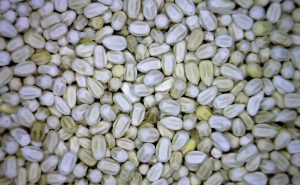
Know your termite species
Not every termite is Reticulitermes flavipes. Be alert for signs of unexpected termites. We have dozens of termite species, but...
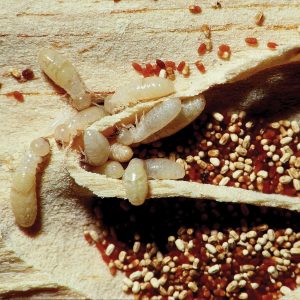
Use silica dust for drywood termite prevention
Drywood termites commonly enter structures through attic or foundation vents, or under eaves or shingles. Unlike subterranean termites, they don’t...
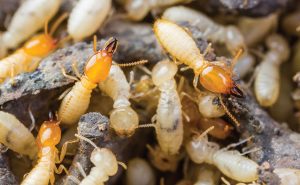
Experts share unusual WDI, WDO encounters
What unusual wood-destroying insect/organism (WDI/WDO) situation have you encountered? Two Pest Management Professional contributors weigh in: “In 1967, we worked on...
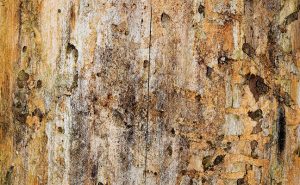
5 ways to improve termite management revenue
When opportunity knocks for this service segment, be sure to open the door. In a slightly different way than general...

Ride along with Speed Exterminating on a termite inspection
A Midwestern mid-winter termite inspection makes for a literal COLD-case file. Conducting a termite inspection in Ohio in the dead...
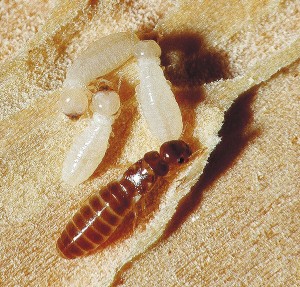
Can you see the termite forest for the trees?
An early detection/protection program can help your termite customers minimize property damage, and help your business receive recurring revenue. Remember...
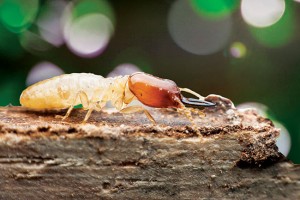
USFS presents 2015 termiticide report
Since the late 1930s, the U.S. Department of Agriculture’s Forest Service (USFS) Termiticide Testing Program has investigated various soil-applied termiticides...

Tips & Tricks: Treatment Options for Drywood Termites
Drywood termites usually are found in the humid coastal and subtropical regions of the U.S. But several species are found...
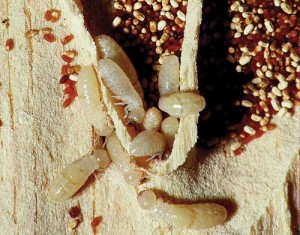
Callback Cures: Three Tips for Improved Drywood Inspections
Your ability to correctly perform an inspection for drywood termites (Cryptotermes and Incisitermes spp.) can save you time and a...
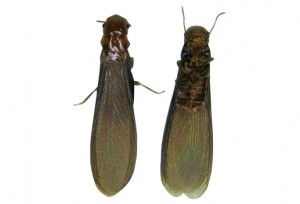
Most Wanted: Drywood Termites
Drywood termites (Kalotermitidae) have committed offenses through insidiously cryptic infestations. Attacks cause significant cellulose consumption, which causes structural and wood...

Tips and Tricks: Are Termites the Problem? Location Makes a Difference
When we talk about wood-destroying insects and organisms (WDI/WDO), we tend to think only of subterranean termites — although this...
Fact vs. Fiction: Drywood Termites
Fiction: Termites are ants. Fact: Ants belong to the order Hymenoptera and termites are classified with cockroaches in the order...
BASF releases Termidor DRY Termiticide
Product is major advance in the treatment of drywood and subterranean termites ST. LOUIS, Mo. — BASF Pest Control Solutions’...