Skip to content

Your partner for Pest Management Professionals since 1933

featured From the Magazine Mosquitoes

Explore your mosquito expertise with PMP‘s Tech Test

Explore your mosquito expertise with PMP’s December Tech Test.

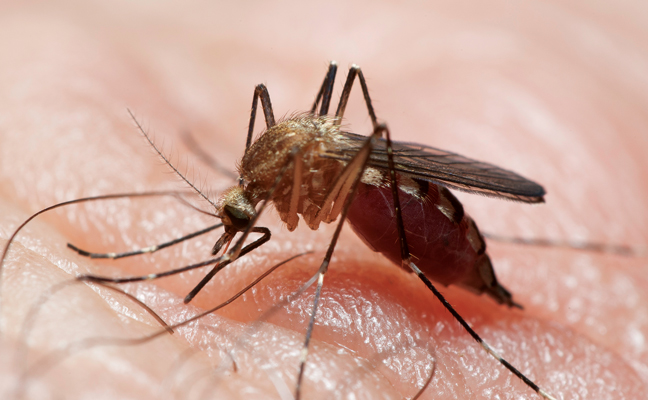
The aggressive, day-biting woodland pool mosquito (Ochlerotatus canadensis) is a known vector of several diseases, including West Nile virus and dog heartworm (Dirofilaria immitis). PHOTO: GENE WHITE

No audio available for this content.

The aggressive, day-biting woodland pool mosquito (Ochlerotatus canadensis) is a known vector of several diseases, including West Nile virus and dog heartworm (Dirofilaria immitis). PHOTO: GENE WHITE

Fill out my online form.

How mosquitoes transmit disease

A mosquito “bite” occurs when a female mosquito uses a piercing-sucking action to take a blood meal. The female mosquito pierces the victim’s skin with her proboscis, injects her saliva and then sucks the blood through her proboscis. If the victim’s blood contains organisms that cause disease, the organisms get sucked into the mosquito’s stomach and may be injected into another victim’s bloodstream.

Editor’s Note: Questions for this month’s test were contributed by Doug Foster; Paul Hardy; Glen Ramsey, BCE; Jerry Schappert; and Mark VanderWerp, BCE. Want to know how you did? The answers are listed below.

Answers to December Tech Test

1. True, 2. b, 3. True, 4. d, 5. True, 6. a, 7. True, 8. a, 9. True, 10. True