No audio available for this content.

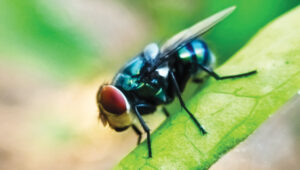
Overwintering pests such as cluster flies, stink bugs, lady beetles and boxelder bugs are difficult, because pest management professionals (PMPs) often get called in once these pests have emerged indoors. The best treatment is, of course, to treat the outside of the structure in the fall, before these pests make their way into cracks and crevices on the structure. An advertising campaign in late summer will help remind customers to schedule the preventive service.
These pests can be a problem outdoors, too, when large numbers of them congregate on the outside of the structure. This also typically results in some getting inside as well.
Exempt 25(b) botanicals have some great advantages for the treatment of these pests. They are strong repellents, which is what you want to keep them out of cracks and crevices on the structure. In addition, they do not have impervious surface label restrictions, so if pests are covering the whole side of the structure, for example, there is no issue with treating that entire area. Always read and follow label directions.
Botanicals in wettable dust form are ideal for spraying cracks and crevices, to provide both strong repellency and extended residual. In geographies with chronic problems, proactive attic treatment with silica dust is a good option. It can be applied in dust form, and also as a liquid slurry with some ultra-low volume (ULV) type equipment, which helps minimize dust. Silica does not break down from heat, so it can remain active for years in attics.