No audio available for this content.
Forget the Impossible Burger. We may be closer to developing delicious bug burgers than we think.

The Welsh government approved an insect- and plant-based protein that can be used as a substitute for minced meat.
With the backing of the Welsh Government and Innovate UK, a husband-and-wife duo — chef Andy Holcroft and entomologist Dr. Sarah Beynon — created the protein, called VEXo, at their research center and visitor attraction, Dr. Beynon’s Bug Farm.
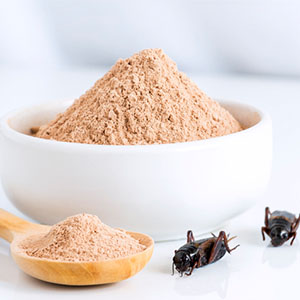
The couple adds VEXo to their Bug Farm Foods product line, which includes treats like Cricket Cookies, as well as powders and whole-insect novelties.
As authorities and consumers catch on to the potential benefits of an insect-based diet, though, VEXo marks a shift in the couple’s research from gifting to daily consumption.
According to reporting by Business News Pembrokeshire in Wales, Holcroft and Dr. Beynon are working with local authorities in Pembrokeshire County to add VEXo to school lunch menus. The protein contains 80 percent less fat than ground meat and may help curb childhood obesity in the region.
In addition to reducing consumption of unhealthy fats, many insect-based foods contain all of the amino acids of meat-based proteins and some — like grasshoppers, crickets and silkworms — are rich sources of antioxidants and minerals.
Raising edible insects contributes to environmental sustainability, too, as the process requires few inputs and emits negligible amounts of greenhouse gases.
The scientific community must overcome some barriers before we can produce enough edible insects to significantly reduce our meat consumption, though. According to an article on phys.org, edible insects must still be raised on high-quality food stocks like wheat and rye flour to assure consumers’ safety. Researchers are investigating food sources like biowaste, a more sustainable option theoretically if insects ingest it and effectively “recycle” it with no adverse effects on the food chain.