No audio available for this content.

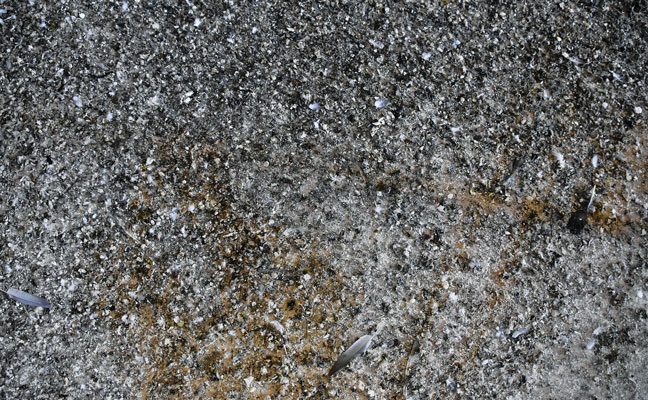
When guano is found on materials during your inspection, determine whether it resembles a handful of black rice that has been thrown throughout the area. In that case, it was most likely left by either a bachelor colony or a small group of pups that occasionally use the structure.
Fewer than 20 pieces of guano means the structure should be monitored only, as the client most likely won’t see a good return on the investment — and may even become a problem client if he or she continues to have issues based on the expectations that were set.
On the other hand, when a pile of more than 20 pieces of guano is located, it was created from a maternity colony or long-time usage. Bats have preferred roosting areas, so the guano also is dropped in a specific location, which causes the accumulation.
Additional information can be found at the Wildlife Control Technology (WCT) Online Training Center, WildlifeTraining.thinkific.com.
RELATED:
ARNOLD is a wildlife control trainer, writer, technician, business owner and volunteer. He is editor of both Wildlife Control Technology and Fur Takers of America. He can be reached at editor@wctmagazine.com.